



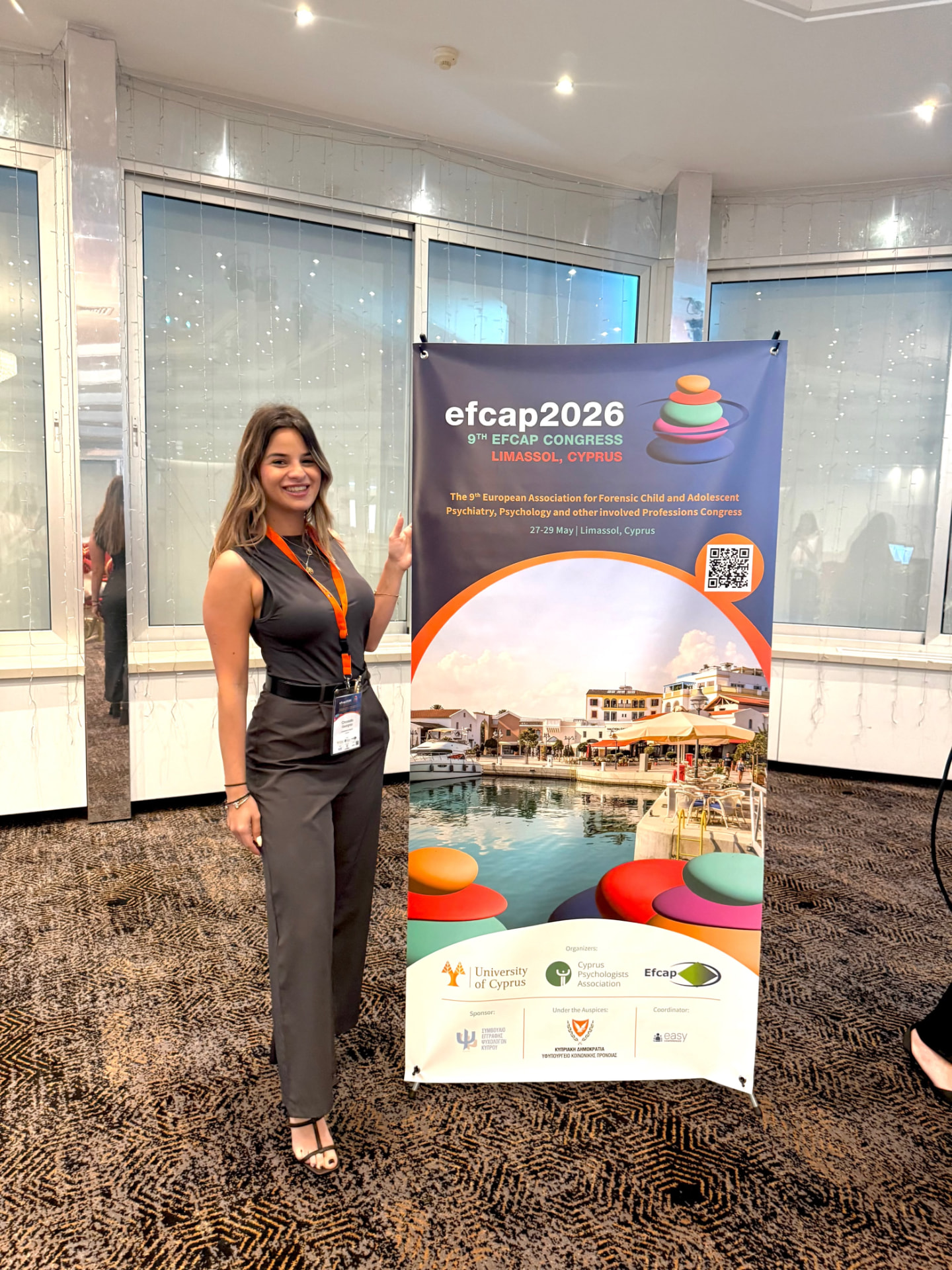
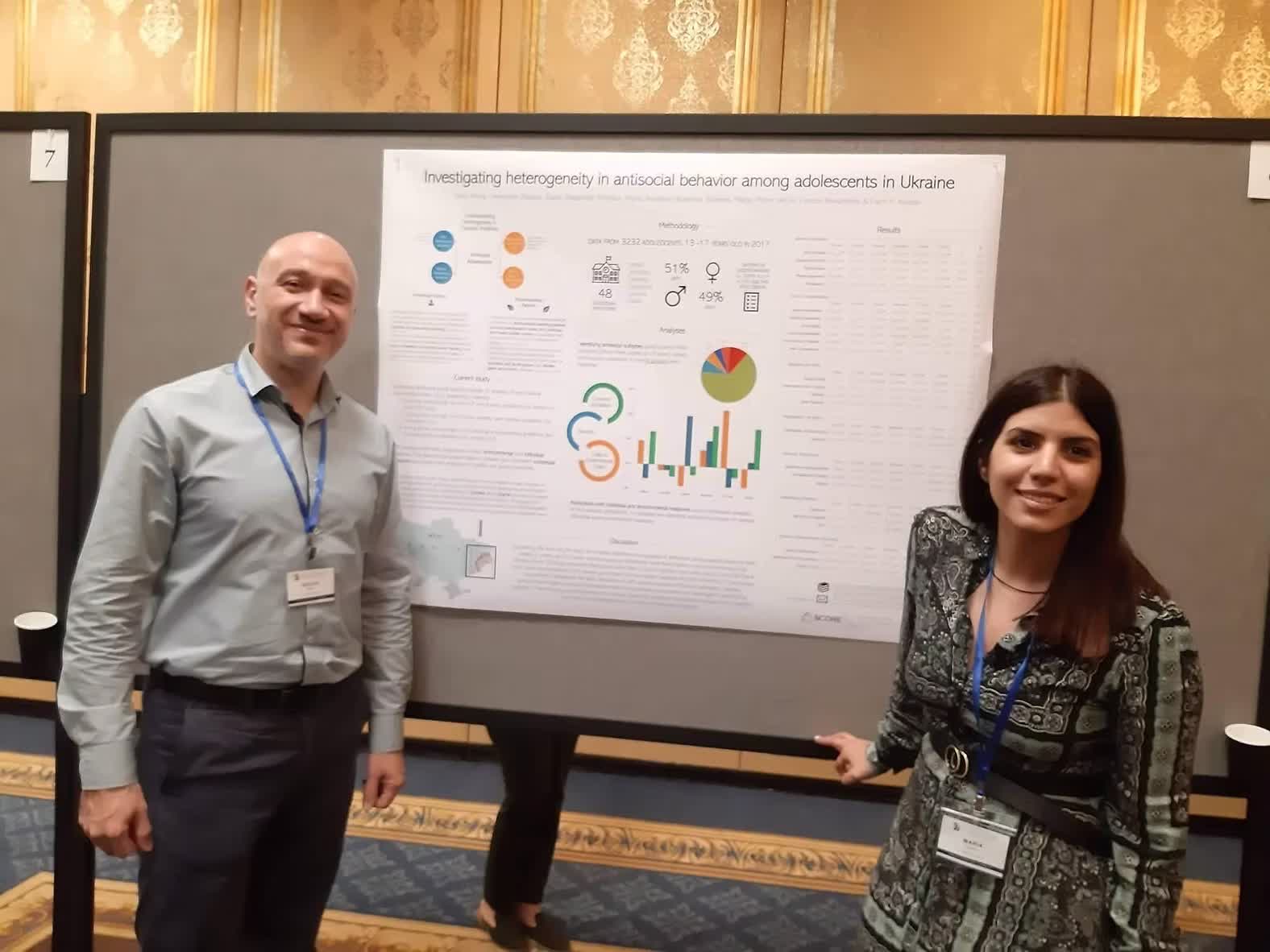
Conference presentation
Research on heterogeneity in antisocial behaviour among adolescents in Ukraine.

DPLab
Department of Psychology · University of Cyprus
We study how emotional, behavioural and relational processes shape development from childhood into adulthood.
About the lab
Developmental science tracing how emotional, behavioural and relational processes shape development from childhood into adulthood.
About DPLab0
Lab established
0+
Participants studied
0+
Countries in our network
0
Years of longitudinal work
Longitudinal studies following the same participants across years, drawing on data from more than 15,000 individuals.
Research focus

Pathways of adaptation and psychological difficulty.
Explore all research areasMethods & innovation
Psychological assessment connects with BIOPAC, fNIRS, eye tracking, facial expression analysis and Virtual Reality.
Questionnaires, behavioural measures and validated psychological instruments.
Featured projects
Completed programmes and current collaborations are described on the Projects page.
View all projectsOur team

Prof. Kostas A. Fanti
Founder & Director
Developmental psychopathology, conduct problems and intervention research.
Latest DPLab activity
Conference presentation
Research on heterogeneity in antisocial behaviour among adolescents in Ukraine.
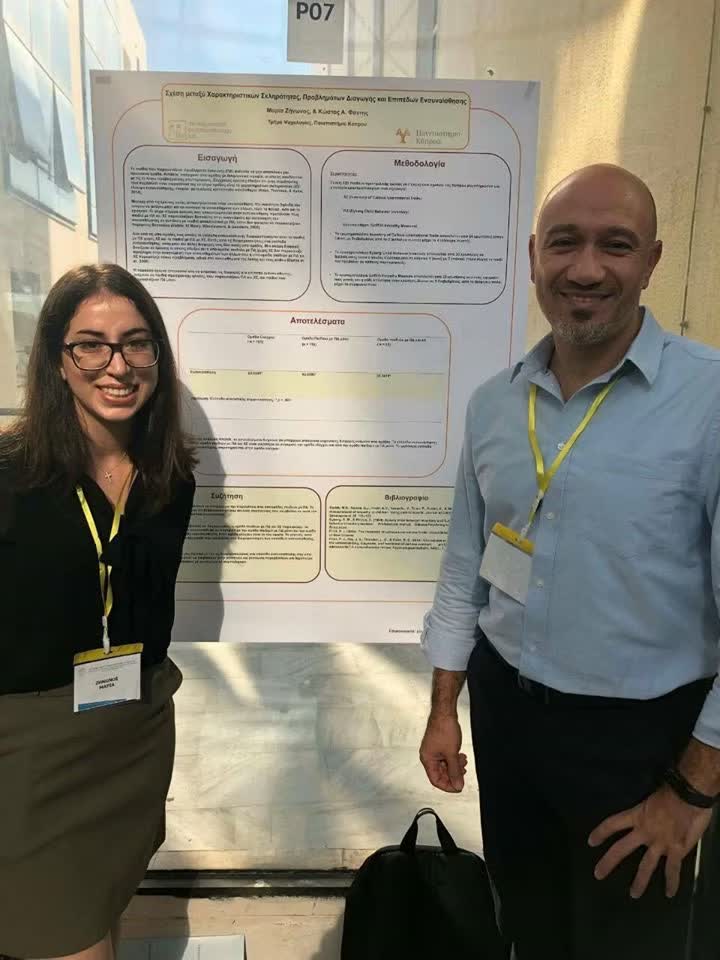
Research presentation
Work on callous unemotional traits, conduct problems and empathy.
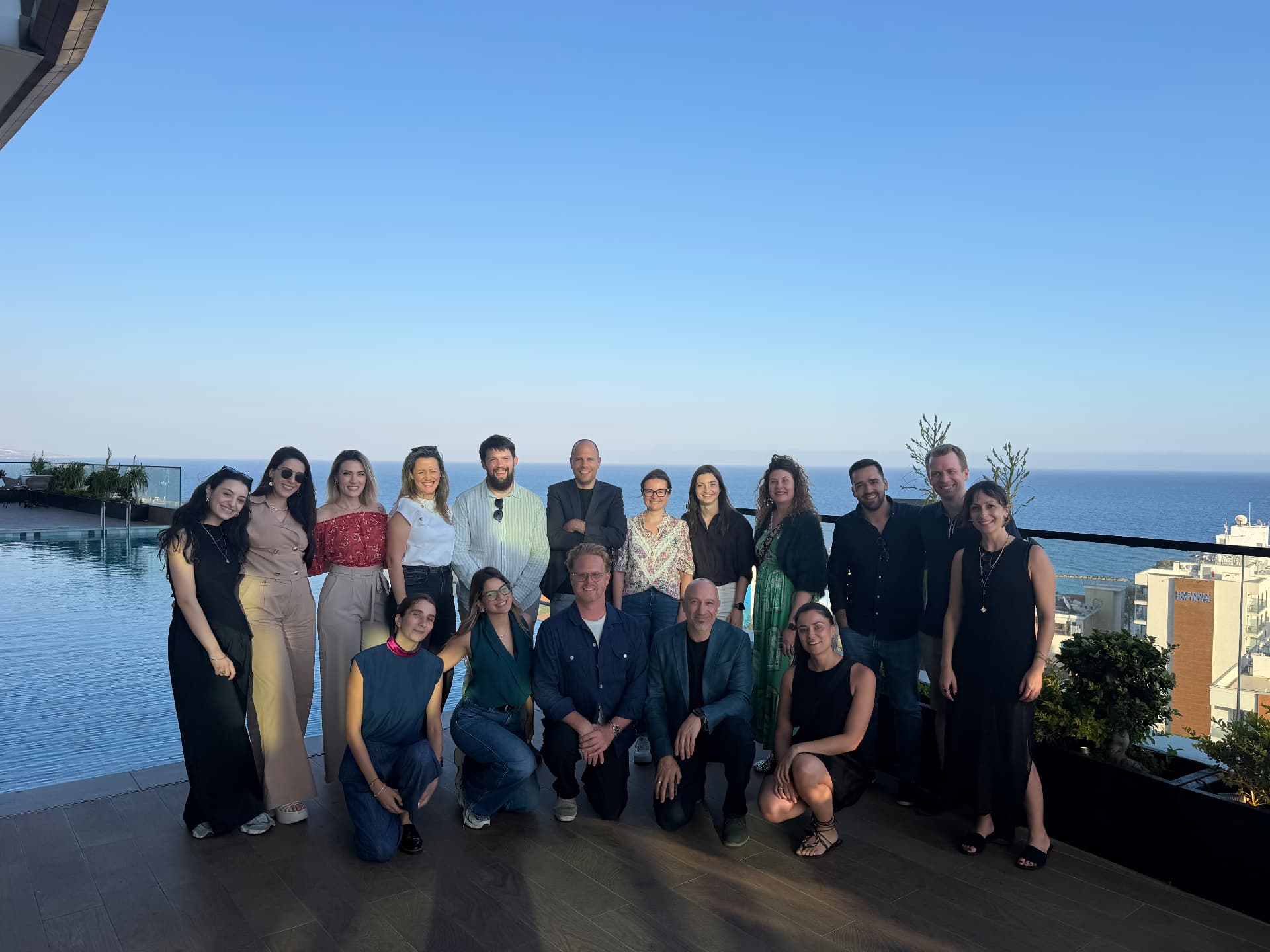
International network
DPLab team with international collaborators in Limassol.